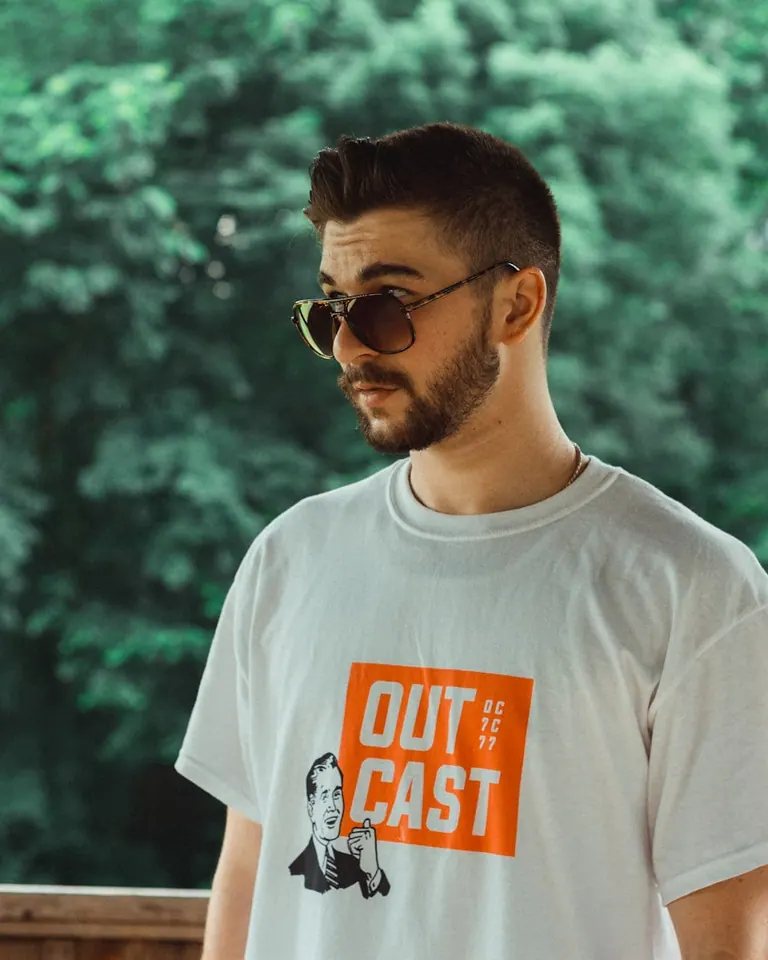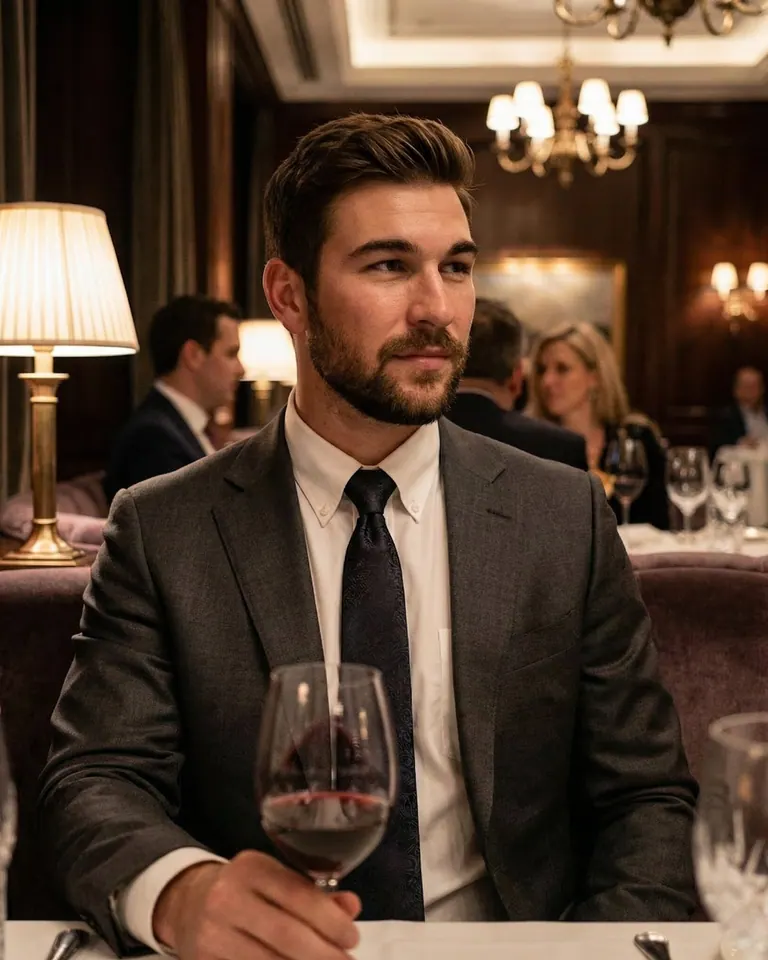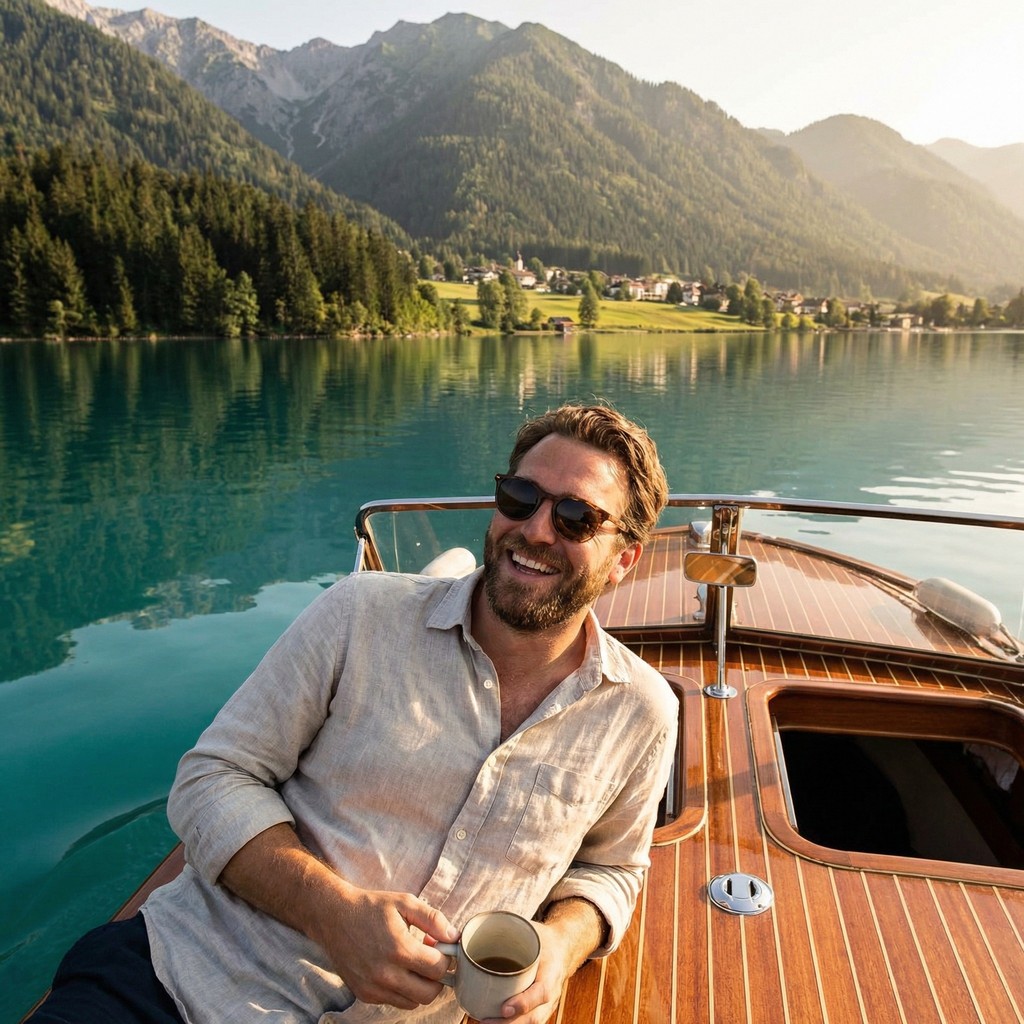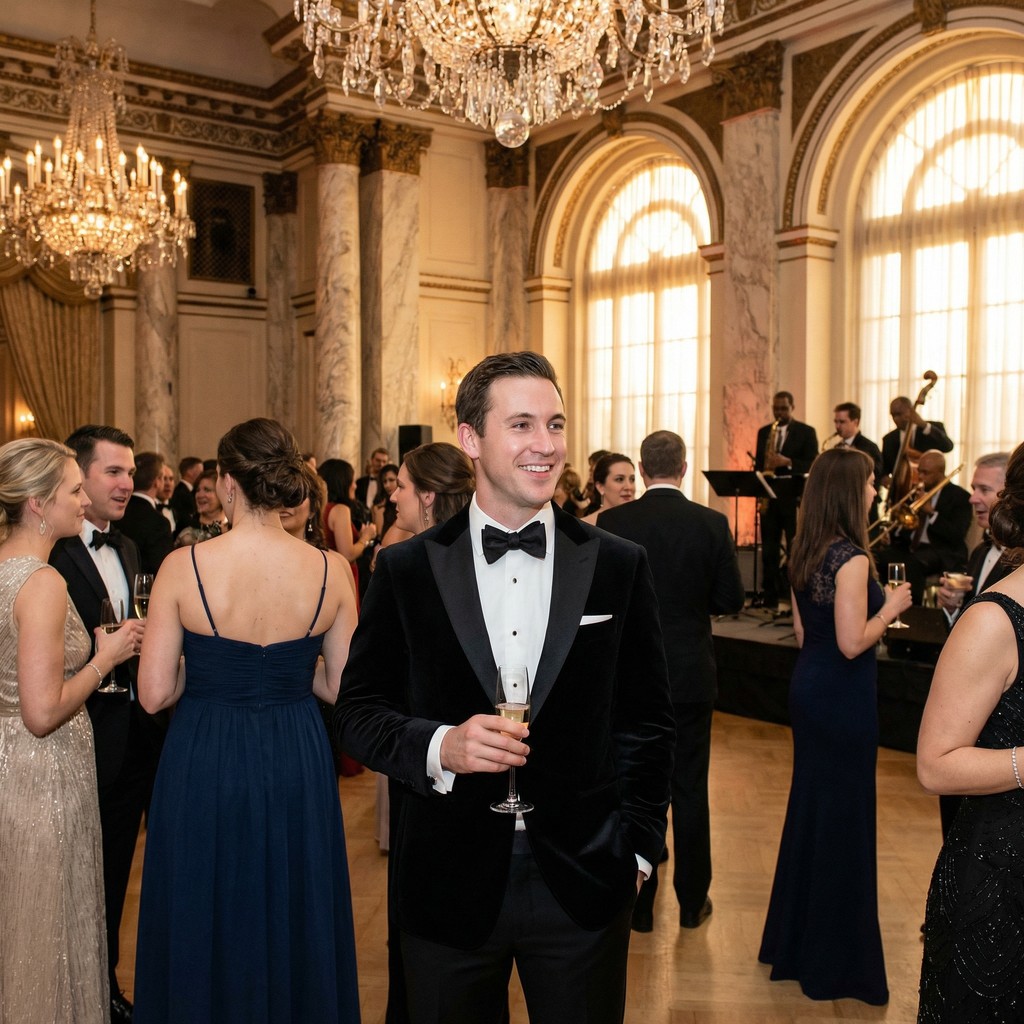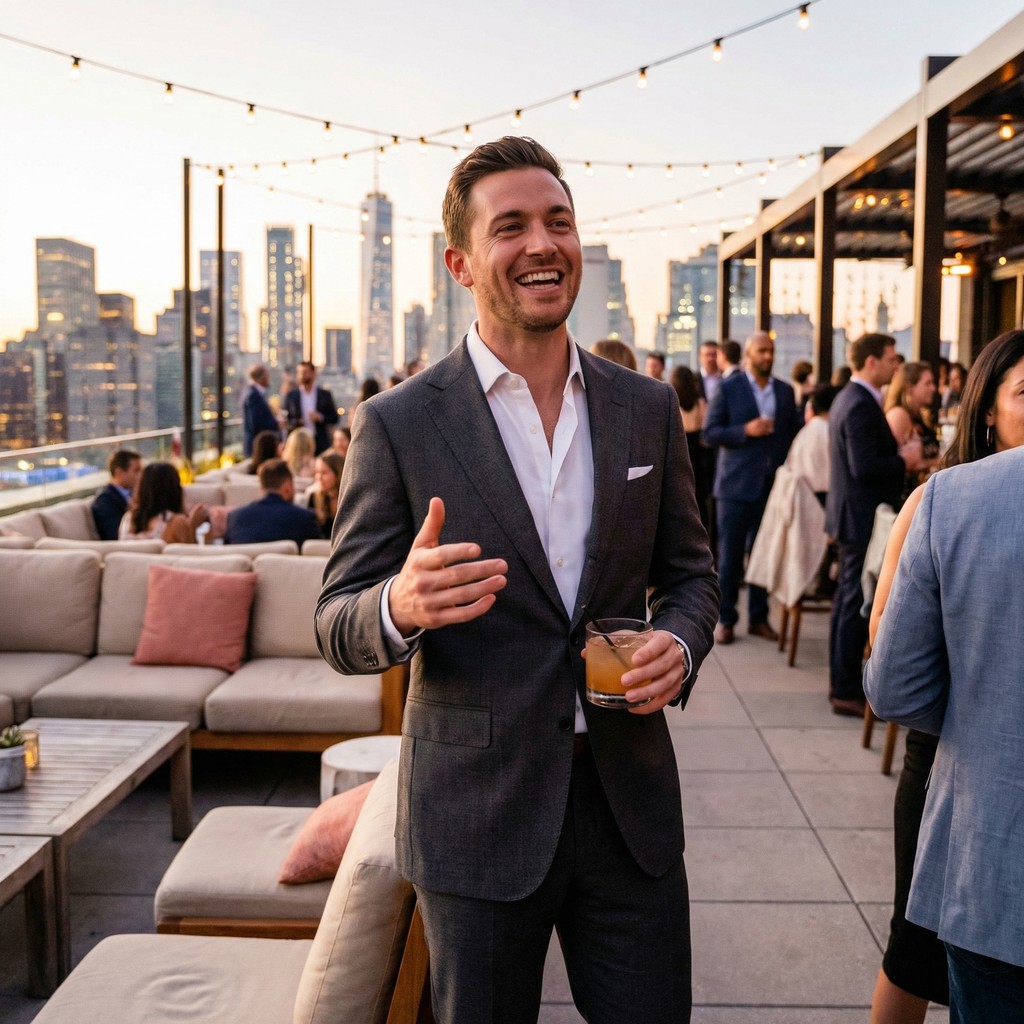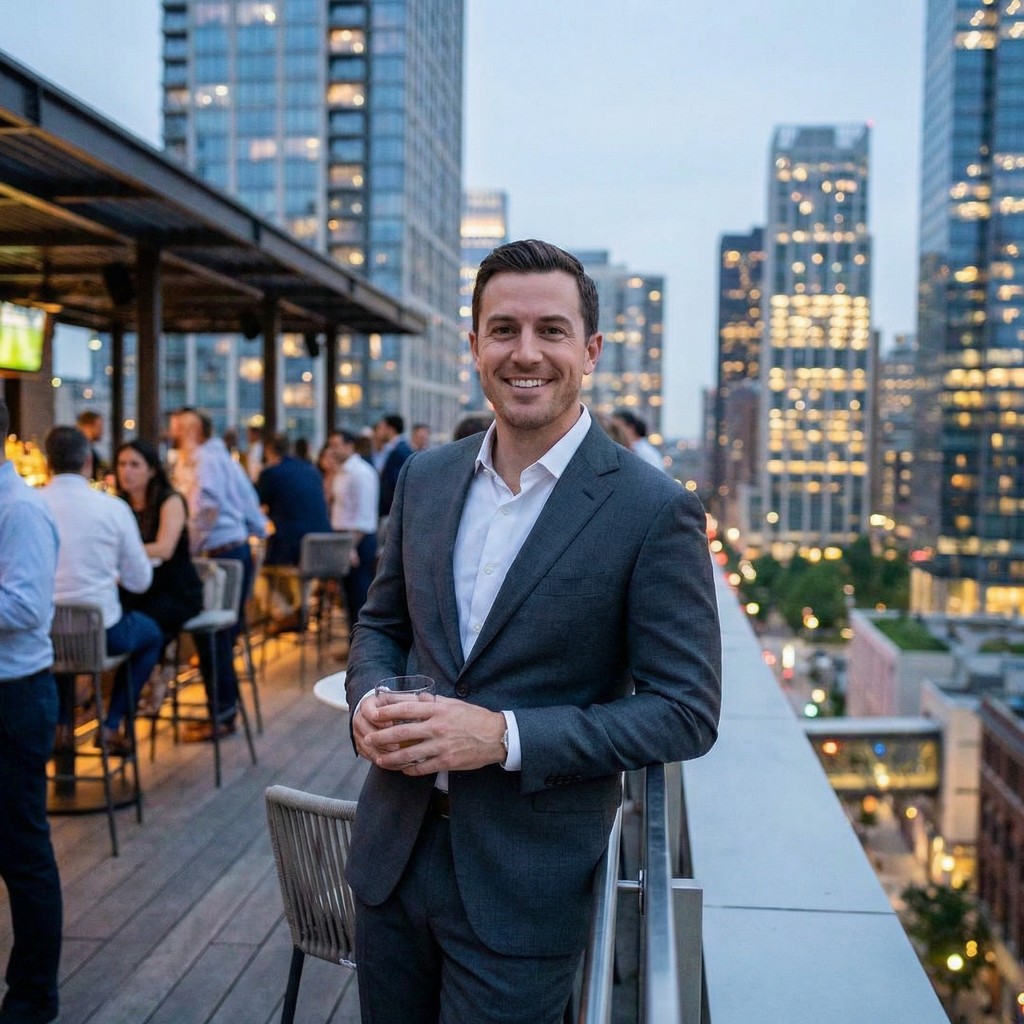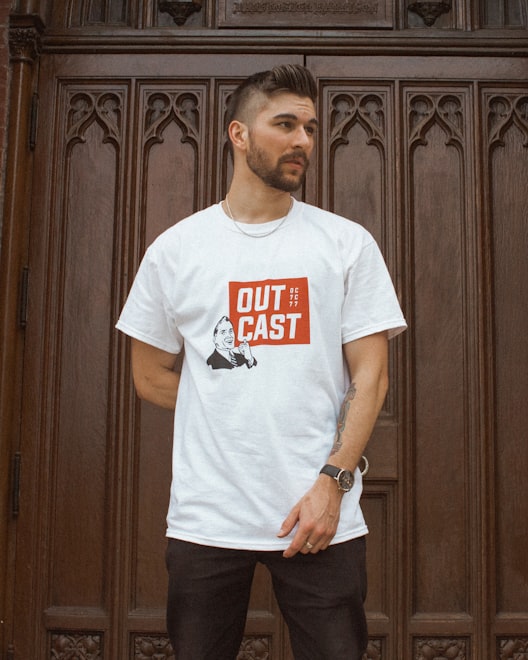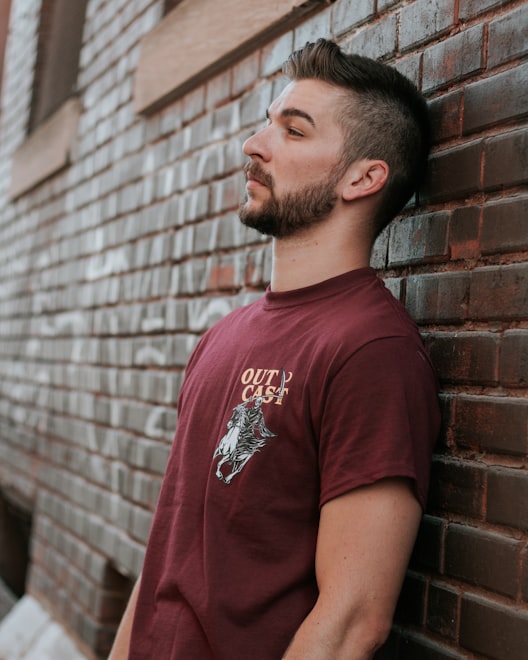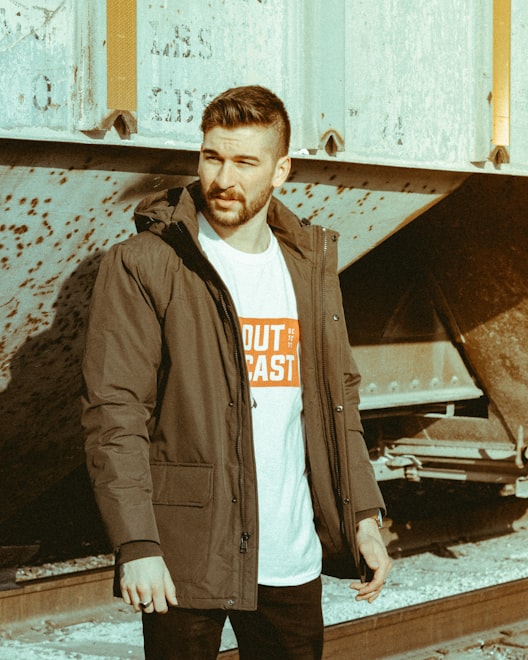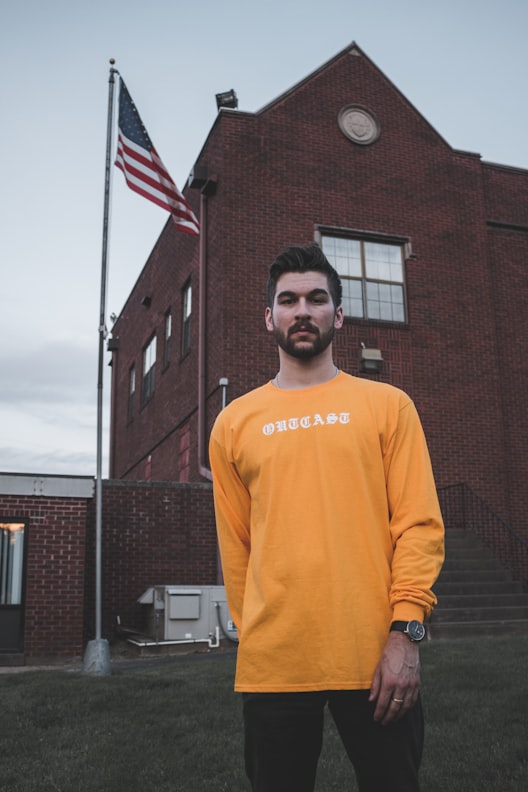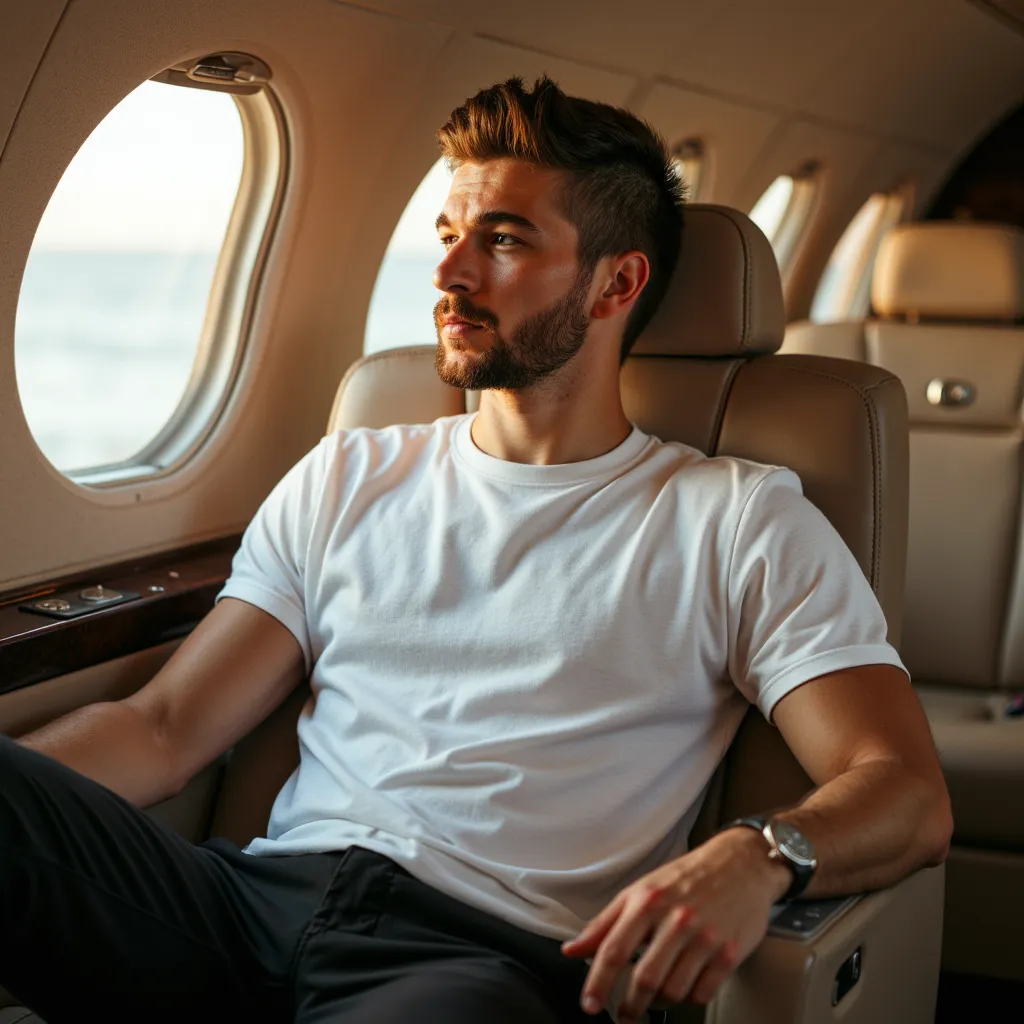
AI photos give you a consistent, professional-quality photo set that works across every dating platform. The same 100 photos can be cropped, curated, and arranged differently for Tinder, Bumble, Hinge, or any other app you use. AI dating photos solve the biggest problem most people have with online dating: they do not have enough good photos of themselves to build strong profiles on multiple apps. Here is how to make one set of AI photos work across every platform you are on.
Lead with a clear headshot on every platform
Every dating app, every culture, every demographic responds well to the same opening photo: a clear, well-lit shot of your face where you look like yourself at your best. This is the one rule that holds across Tinder, Bumble, Hinge, and every other app. Start with a face photo. Every time. AI dating photos generate multiple headshot options with professional lighting, natural expressions, and clean backgrounds. You can pick slightly different lead photos for each app if you want to test what works best on each platform, or use the same strong headshot everywhere. Either way, you start with a photo that is technically strong and optimized for the split-second decision that determines whether someone engages with your profile or keeps scrolling.
Use different subsets of your AI photos on each app
Different apps have different vibes. Tinder skews casual and fast. Bumble tends to attract people who want something more serious. Hinge is personality-focused. Having 100 AI photos in different styles, settings, and outfits means you can put together a slightly different set for each app, tuned to what works on that platform. For Tinder, lean into variety and visual impact across all 9 slots. For Bumble, prioritize photos that give women something to open a conversation about. For Hinge, choose photos that pair well with your prompt answers and invite likes or comments. AI dating photos give you enough material to customize your profile for each platform rather than uploading the same 4 photos everywhere and hoping they work. Users who tailor their photo selection to each app see measurably higher match rates than those who use identical profiles across all platforms.
People decide in half a second
Research on dating app behavior consistently shows that swipe decisions happen in under 500 milliseconds. Professional lighting, natural settings, and good composition trigger positive responses faster than selfies taken in dim light. It's not about looking like a model. It's about looking trustworthy and approachable at a glance. AI dating photos are generated with exactly this kind of split-second judgment in mind. The lighting is balanced and flattering without looking over-processed. The backgrounds are interesting without being distracting. The composition puts your face front and center where it needs to be. These technical details are what separate a photo that gets a right swipe from one that gets skipped, and they are the same details that a professional photographer would optimize for. You get that level of quality automatically from AI-generated photos.
Fill every photo slot on every app
Tinder allows 9 photos, Bumble allows 6, and Hinge allows 6. Fill every slot on every app. Profiles with fewer photos consistently underperform compared to complete ones, both in algorithm visibility and in how potential matches perceive you. More photos means more context and more chances to connect. The practical problem is that most people do not have 9 good photos of themselves, let alone 9 for Tinder plus 6 each for Bumble and Hinge. AI dating photos solve this at scale. One order gives you over 100 photos across different styles and settings, which is more than enough to fill every slot on every app with strong, varied images. You can build a complete profile on 3 different platforms from a single batch and still have plenty of extras to rotate in when you want to refresh your profiles.
Rotate your photos regularly
Dating app algorithms tend to give a visibility bump to profiles that update recently. Having 100 AI photos means you can swap in 3 or 4 new photos every few weeks without needing a new photoshoot. It keeps your profile feeling fresh and can reset your position in the algorithm queue. This is one of the biggest long-term advantages of AI dating photos over a traditional photographer session. A photographer gives you 20 to 30 photos from one shoot, and once you have used them all, you need to book another session. With AI photos, you have a deep bench of unused images that you can rotate in over months. Each rotation tells the algorithm that your profile is active and maintained, which tends to increase how often you are shown to potential matches.
What works across every platform
Clear face visibility, a genuine smile, good posture, and backgrounds that are interesting but not distracting are universally effective across every dating app. Variety in settings and outfits across your photo set helps too. These fundamentals don't change whether you're on Tinder, Bumble, Hinge, or any other app. AI dating photos are built around these universal principles. Every generated image has clear facial visibility, balanced lighting, and a background that adds context without competing with your face. The variety in the generated gallery means you naturally end up with a mix of indoor and outdoor, casual and dressed-up, close-up and full-body photos. These are the same building blocks that professional photographers optimize for, and they work on every platform because they align with what people respond to at a fundamental level.
How AI dating photos work across all apps
The process starts with uploading 5 to 10 clear selfies of your face from different angles. The AI trains a model on your specific features and then generates over 100 new photos of you in various settings, outfits, and styles. The whole process takes about an hour and costs $29. Once you have your gallery, you build separate profiles for each dating app by selecting different subsets of photos. Pick your strongest 9 for Tinder, your best 6 for Bumble, and a different 6 for Hinge. Because the gallery is large and varied, each app gets its own curated set without any overlap if you want. This one-session, multi-platform approach is what makes AI dating photos more practical than hiring a photographer. You cover every app from a single order instead of planning separate shoots or reusing the same limited photos everywhere.
AI dating photos vs a professional photoshoot
A professional photographer costs $200 to $500 per session and delivers 20 to 30 edited photos from one location in one to two weeks. The results are typically strong for that specific shoot, but the variety is limited to what you could capture in a few hours at one place. AI dating photos cost $29 for 100+ images delivered in about an hour, with photos spanning many different settings, styles, and outfits. For someone active on multiple dating apps, the math is clear. You need at least 15 to 20 different strong photos to build unique profiles across Tinder, Bumble, and Hinge. A single photoshoot barely covers that, and you end up reusing photos across apps. AI generation gives you enough variety to build distinct profiles on each platform with room to spare for regular rotation.
Why one AI photo set works for every app
The beauty of getting 100+ AI dating photos in one batch is that the gallery naturally covers every category you need. Headshots, full-body shots, outdoor photos, urban backgrounds, casual vibes, dressed-up looks, travel settings, and lifestyle shots are all represented. This means you do not need to think about what type of photos to generate for which app. You generate once and then select from the gallery based on what each app needs. Tinder wants volume and visual impact? Pick your most eye-catching 9. Bumble needs conversation starters? Choose 6 photos with interesting backgrounds. Hinge needs photos that pair with prompts? Select images that match your written answers. One generation session powers all of it.
The technology behind AI dating photo generation
AI dating photos are not filters applied to existing images. The technology works by training a custom AI model on your uploaded selfies, learning the specific geometry, skin tone, and features of your face from multiple angles. Once trained, this model generates entirely new images of you in scenes and settings that were never photographed. The result is photos that look like you, because they are based on your actual appearance, placed in professionally composed scenes with controlled lighting and backgrounds. MatchPhotos offers two models for this: FLUX for fast generation with 200+ photos and maximum variety, and Nano Banana Pro for fewer photos with the highest possible realism. Both produce images that are technically on par with professional portrait photography, and neither requires you to leave your house or coordinate with anyone else.