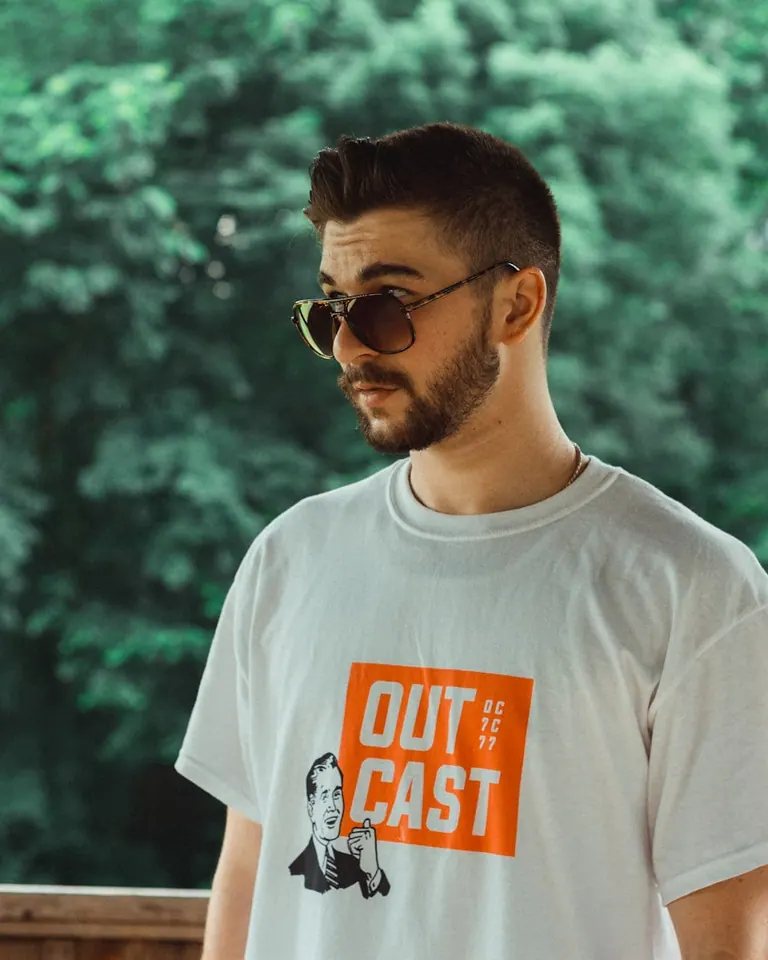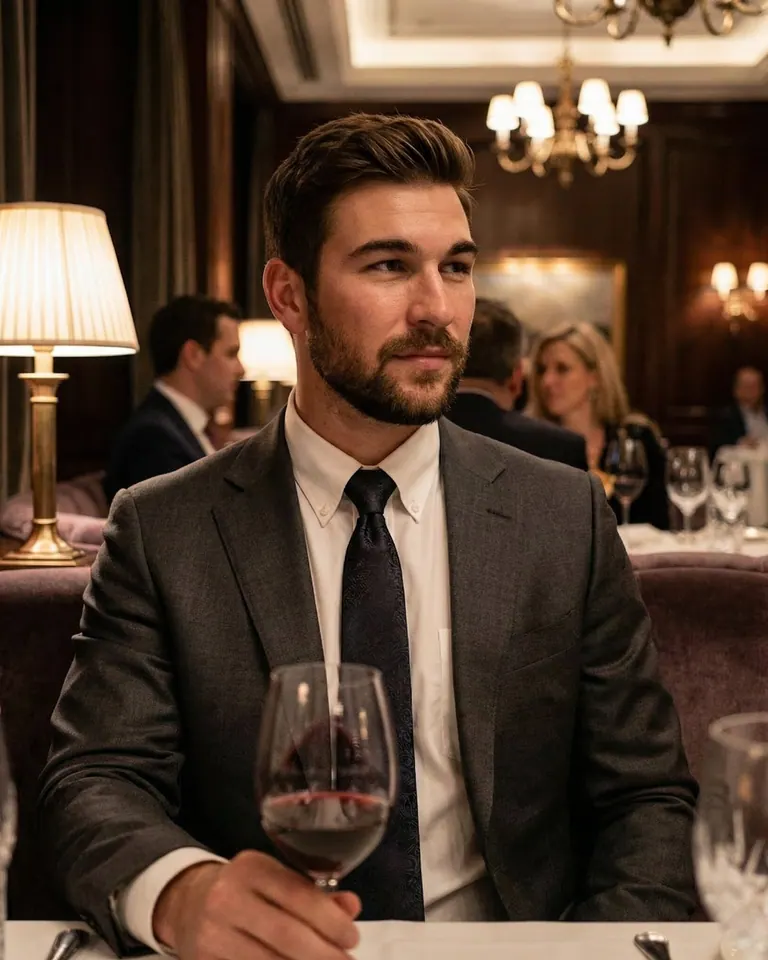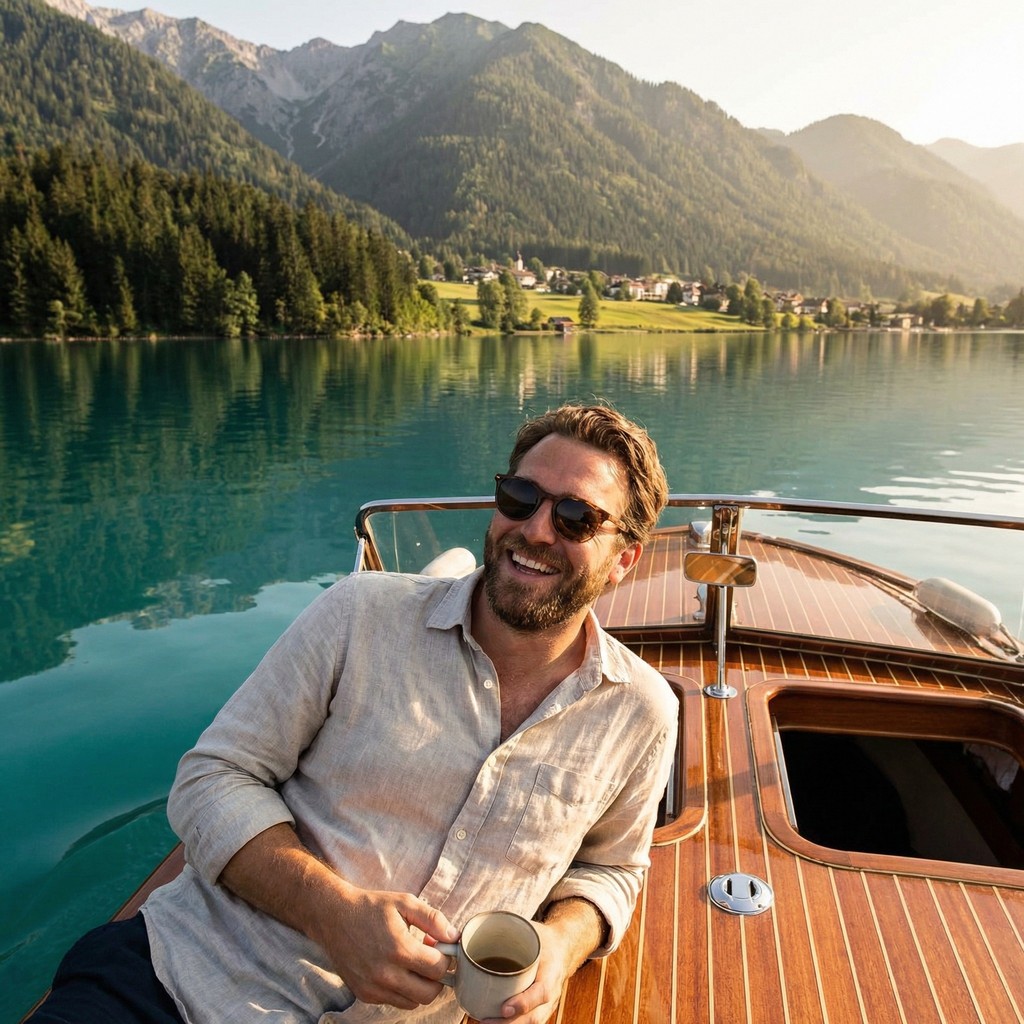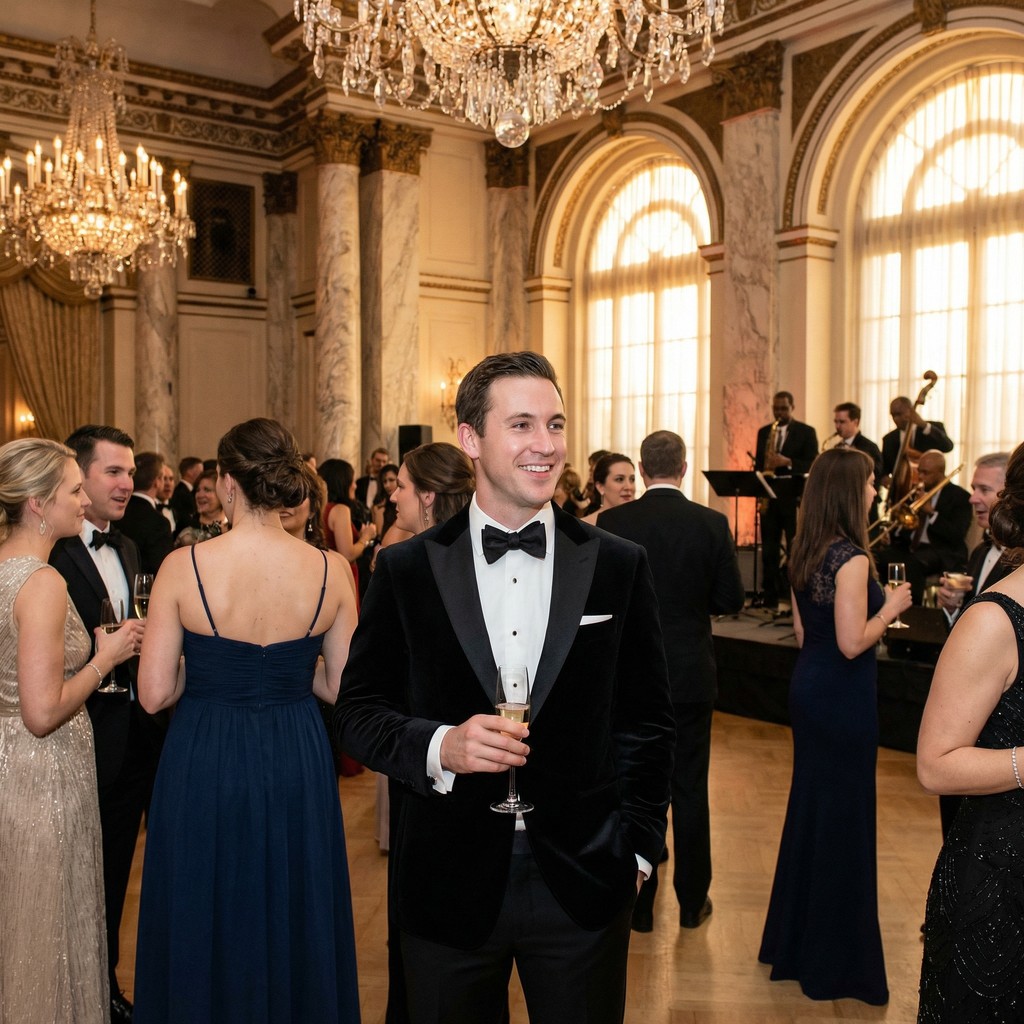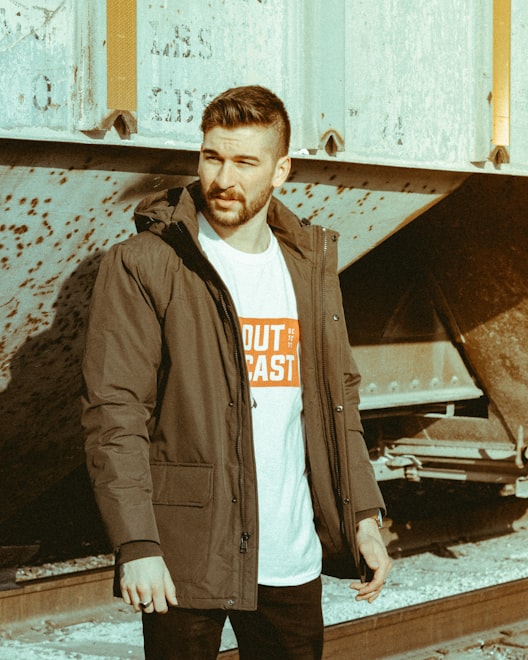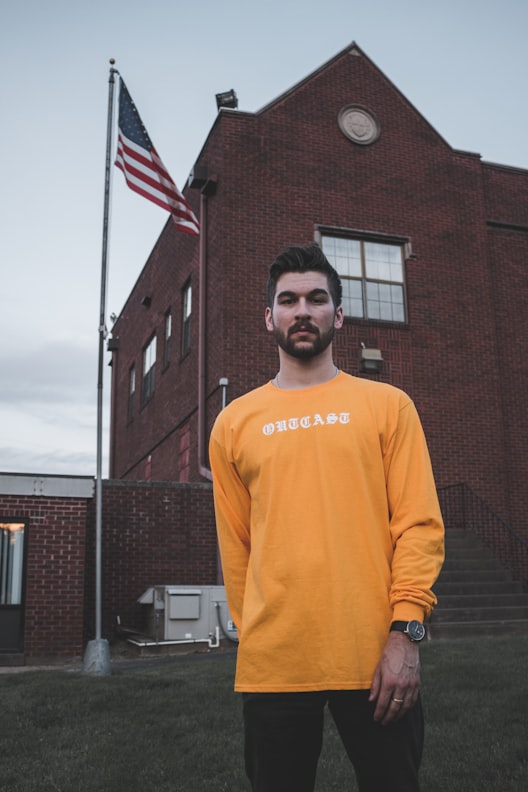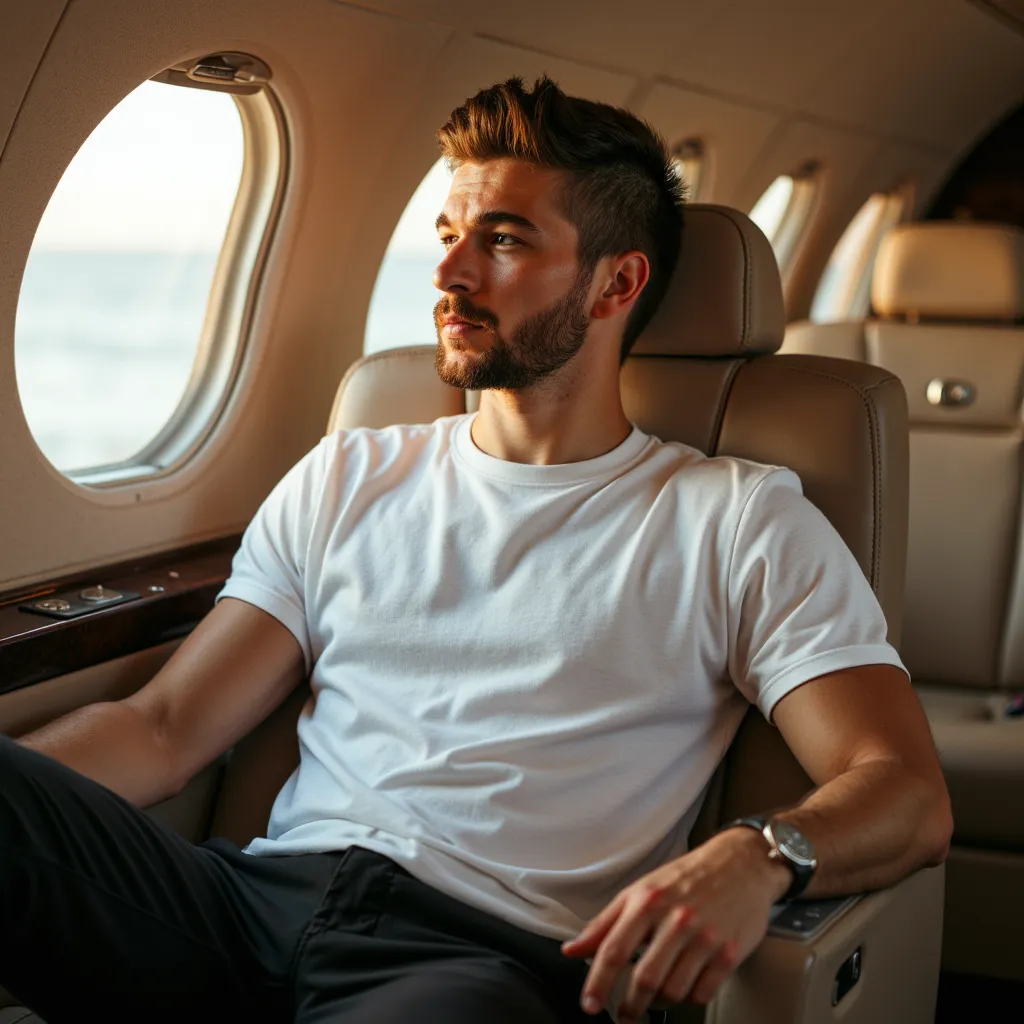
Hinge is built differently from other apps. Each photo sits in a vertical scroll alongside your prompts, and anyone can like or comment on any individual photo. Every photo you upload is its own conversation opportunity. AI Hinge photos give you the kind of polished, engaging images that get likes and comments on individual shots, not just passive scrolls. Here is how to use AI photos to build a Hinge profile that actually generates engagement.
Each photo stands alone on Hinge
On Tinder and Bumble, photos are viewed as a stack. On Hinge, photos are spaced out in a vertical scroll between your prompt answers. Someone might scroll past your first photo, pause on your third, and comment on that one directly. Each photo needs to be worth stopping on, not just filler to fill slots. This is what makes AI Hinge photos particularly valuable. Because every single photo in your Hinge profile is a standalone piece of content that someone can engage with, you cannot afford to have even one weak image. With over 100 AI-generated photos to choose from, you can be ruthless about selecting only the 6 that are each individually strong enough to get a like or a comment. On other apps, a mediocre photo in position 5 barely matters. On Hinge, it might be the only photo someone sees before deciding to pass.
Choose photos that invite engagement
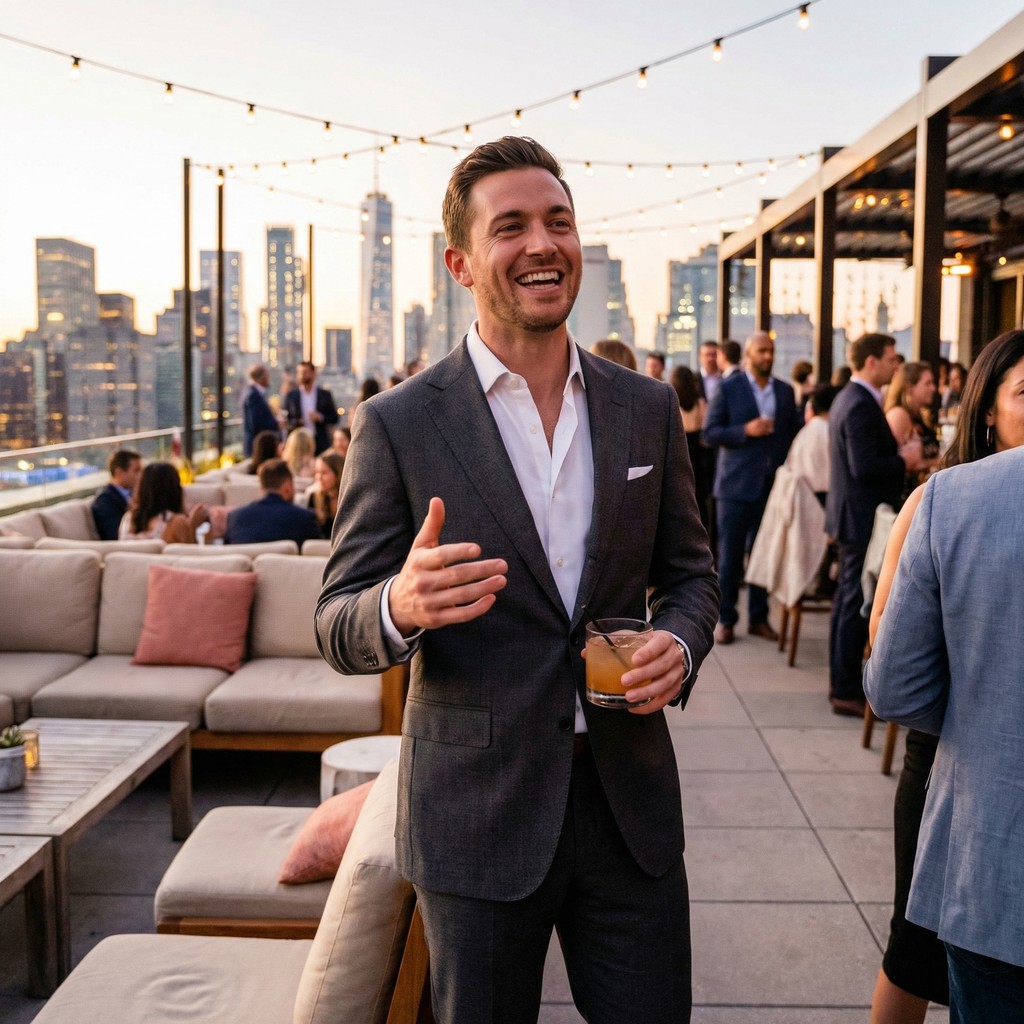
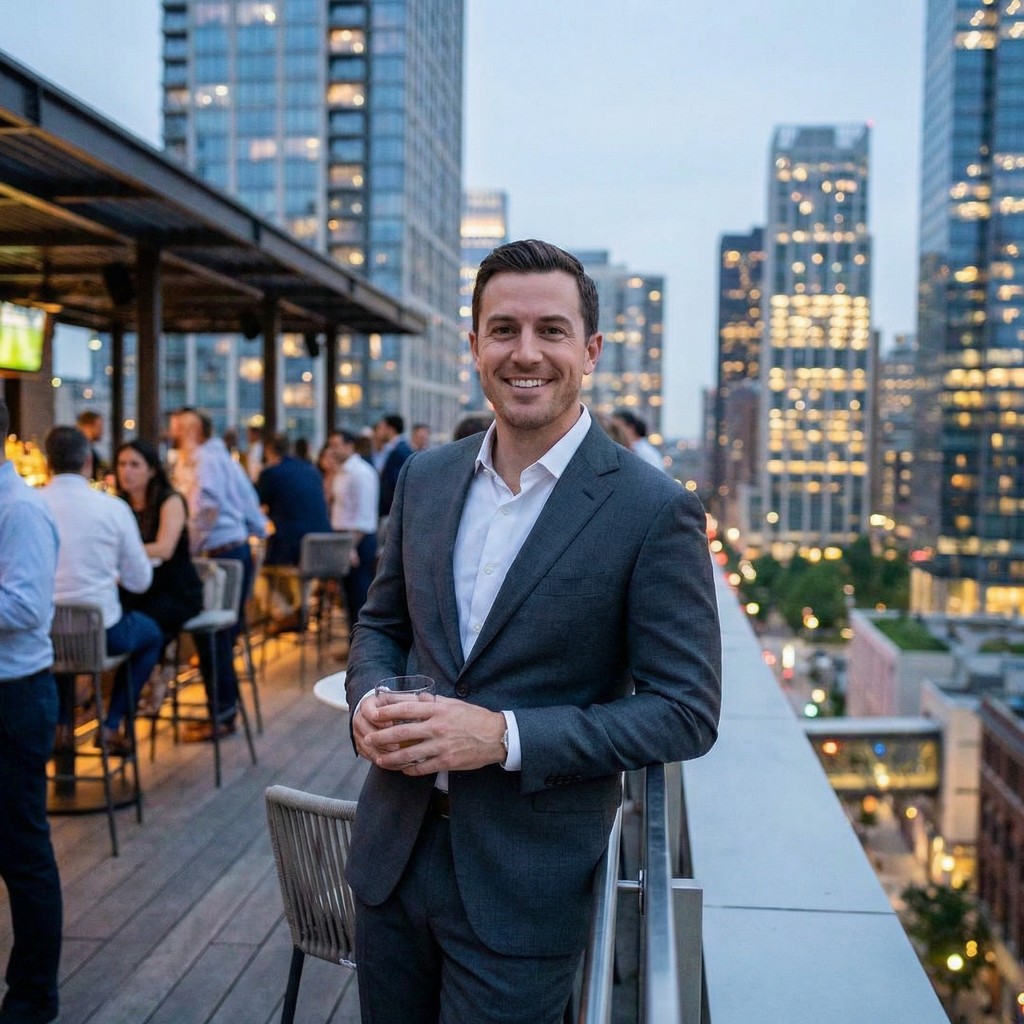
On Hinge, people can like a specific photo or leave a comment on it. Photos that get the most comments tend to show you doing something interesting, being somewhere visually striking, or displaying a personality trait that sparks curiosity. A photo of you at a random bar gets scrolled past. A photo of you mid-laugh at an unusual location gets comments. AI photos for Hinge generate images in a wide range of interesting settings and situations. Urban backgrounds, travel-looking scenes, outdoor activities, evening events, and casual lifestyle shots. Each one provides visual context that gives someone a reason to stop scrolling and leave a comment. The difference between a photo that gets scrolled past and one that generates a like often comes down to whether the setting and expression give the viewer something specific to react to.
You only get 6 slots, so be selective
Hinge allows 6 photos, fewer than Tinder's 9. That means every photo has to earn its place. Having 100 AI photos to choose from is a real advantage here because you can be ruthless about picking the 6 strongest, most varied shots rather than padding with whatever you have on your phone. The selection process matters. Go through your AI Hinge photos and ask whether each one adds something different to your profile. Do you have a clear headshot, a full-body shot, an activity photo, something social, something outdoors, and something that shows personality? If two photos are too similar in vibe or setting, cut the weaker one. With 100+ options, you should never use a photo just to fill a slot. Every image should be one of your absolute best.
Photo quality matters for Hinge's algorithm
Hinge's Most Compatible feature factors in how complete and polished your profile appears. Six strong, well-composed photos signal a high-effort profile, which Hinge tends to show to more compatible matches. Low-quality or repetitive photos work against you here more than on swipe-heavy apps. AI Hinge photos are generated with professional-level lighting, composition, and background selection. This means every photo in your profile meets a consistent quality standard that signals effort and care. Hinge rewards profiles that generate engagement, and higher quality photos get more likes and comments, which feeds back into the algorithm showing your profile to more people. The quality of your photos directly influences how much reach your profile gets on Hinge.
Later photos get real engagement on Hinge
On Tinder, most people only ever see your first photo. On Hinge's scroll layout, photos 3, 4, 5, and 6 all get genuine views because users are already engaged and scrolling through your full profile. This makes photo ordering and quality throughout your entire set more important than on other apps. AI photos for Hinge give you enough high-quality options that your later photos are just as strong as your lead photo. There is no drop-off in quality from position 1 to position 6 because you are selecting all 6 from the same professionally generated gallery. On most profiles, the quality visibly declines after the first two photos because people run out of good options. With AI photos, you can maintain consistent quality across all 6 slots.
The right photo mix for Hinge
A strong Hinge photo set of 6 typically looks like this: a clear headshot, a full-body shot, an activity or hobby photo, a social photo with friends, a travel or outdoor shot, and one that shows personality or humor. This gives Hinge users a complete picture of who you are across six separate scroll stops. AI Hinge photos make assembling this mix straightforward because the generated gallery includes photos across all of these categories. You are not trying to dig through your camera roll hoping you have a decent travel photo from two years ago. You are choosing the best outdoor shot from 15 options, the best dressed-up photo from 20 options, and the best headshot from 30 options. The quality and variety of your input choices is what separates a generic profile from one that gets consistent engagement.
Why AI photos work better on Hinge than selfies
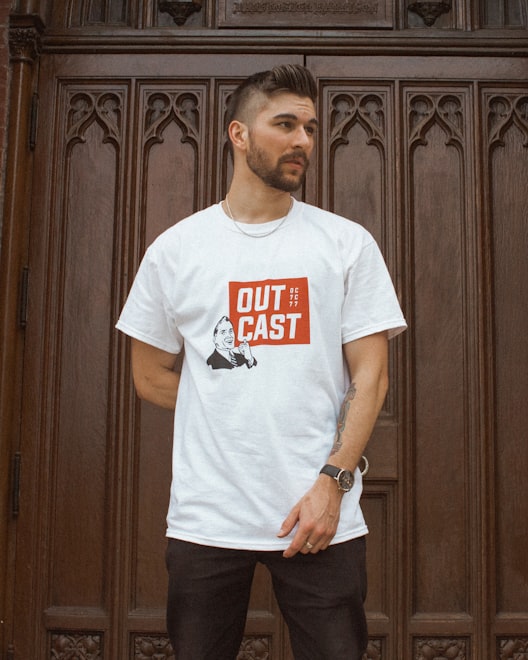
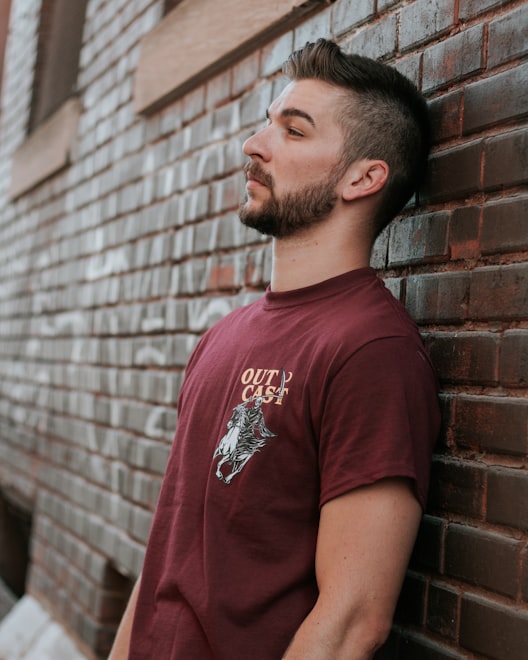
Hinge attracts users who tend to put more thought into their profiles than the average Tinder user. The audience expects a certain level of quality and effort. Selfies, especially ones taken in bathrooms, cars, or dimly lit rooms, stand out on Hinge in the worst way. They signal low effort on a platform where effort matters. AI Hinge photos bridge the gap between what your phone camera can capture and what a professional photographer would produce. The lighting is controlled, the backgrounds are clean and interesting, and the composition follows portrait photography principles. Your photos look like someone who takes their profile seriously, which matches the expectations of the Hinge audience. You do not need to be a model. You just need photos that look like they were taken with intention.
AI Hinge photos and the engagement algorithm
Hinge's algorithm is built around engagement. It tracks which profiles get the most likes and comments, and it shows those profiles to more people. Every like or comment on one of your photos is a signal that your profile is worth surfacing to others. Higher quality photos generate more of these engagement signals. AI photos for Hinge tend to produce more engagement because they are visually polished and set in interesting contexts that invite interaction. A photo of you at a striking location or in a well-composed outdoor setting gives someone a reason to stop and tap like or leave a comment. Over time, these individual engagement events compound. The more likes and comments your photos get, the more people Hinge shows your profile to, which leads to even more engagement.
Pairing AI photos with Hinge prompts
Hinge is unique because your photos and prompts appear interleaved in a vertical scroll. This means each photo sits next to a written prompt answer, and the two should complement each other. If your prompt says you love cooking, the photo above or below it should ideally show you in a kitchen or food-related setting. If your prompt mentions travel, pair it with a photo that has an interesting location in the background. AI Hinge photos give you enough variety in settings and styles that you can deliberately match photos to prompts. Instead of writing a prompt about hiking and having a bathroom selfie next to it, you can place an outdoor trail photo alongside that prompt. The visual-verbal consistency makes your profile feel intentional and coherent, which Hinge users respond to positively.
AI photos vs professional Hinge photography
A professional photographer can produce excellent individual portraits, but for Hinge specifically, you need 6 distinctly different photos that each serve a unique purpose in the scroll layout. A single photoshoot gives you one location, one outfit, and one lighting setup. AI Hinge photos give you 100+ images across many different settings, styles, and compositions for $29 in about an hour. For Hinge, the variety advantage is critical. You need photos that span casual and dressed-up, indoor and outdoor, solo and social. Getting all of that from a single photographer session is difficult and expensive. Getting it from an AI gallery is straightforward because the variety is built into the generation process. You end up with 6 photos that each feel like they came from a different moment in your life, which is exactly what a strong Hinge profile looks like.